

Australia is moving quickly toward electric homes, but not all homes are created equal.
After more than two decades working as a licensed electrician and solar installer, I have seen first-hand that efficiency is not about one piece of technology. It is about how every system in a home works together. Solar panels alone will not deliver the best outcome. Batteries on their own will not solve rising power bills. True efficiency comes from designing the whole home as an integrated energy system.
An efficient electric home reduces energy waste, lowers running costs, improves reliability, and gives homeowners far more control over how and when electricity is used.
This article breaks down what actually makes an Australian home efficient, based on real installations, real performance data, and real household behaviour.
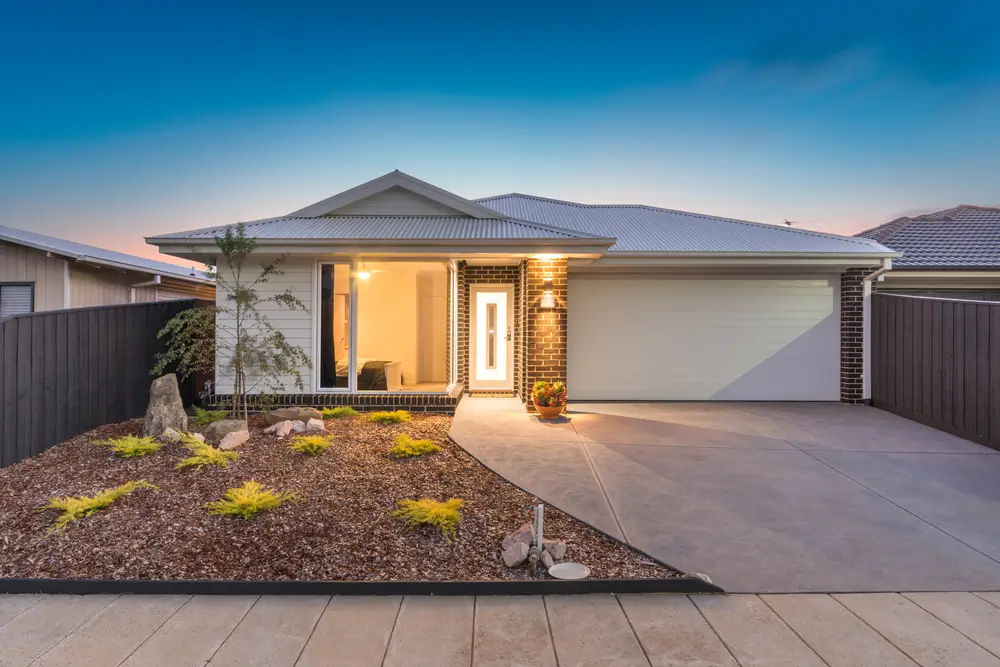
What Is an Efficient Electric Home?
An efficient electric home is one that meets its energy needs using electricity only, while using as little grid power as possible and using that electricity intelligently.
That means:
- Generating power onsite where possible
- Storing excess energy for later use
- Using high-efficiency appliances and systems
- Managing when and how energy is consumed
Efficiency is not about chasing the newest technology. It is about balance, correct sizing, and thoughtful system design.
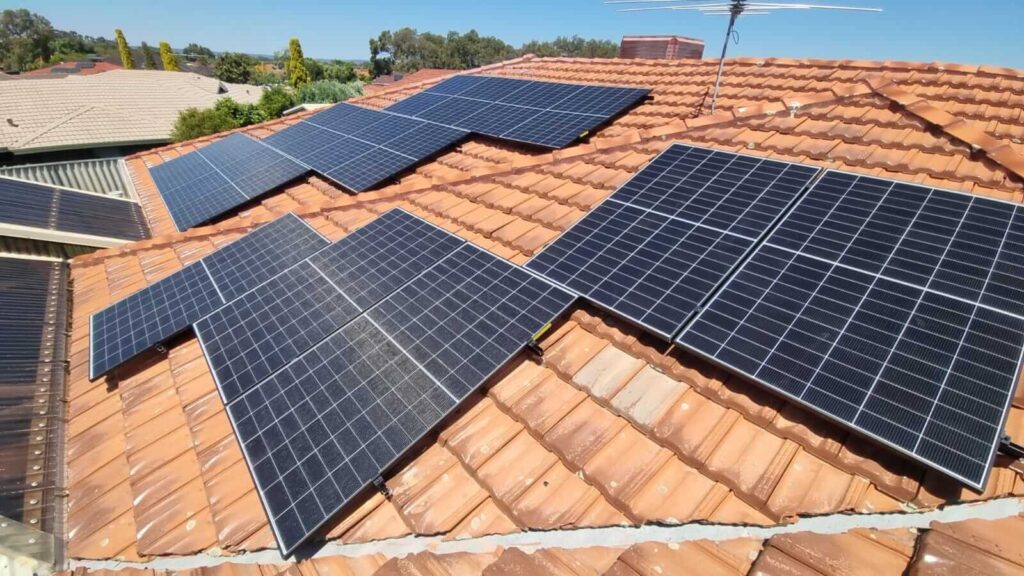
Solar Power: The Foundation of an Efficient Home
Rooftop solar is the starting point for most efficient electric homes.
A well-designed solar system does more than just produce electricity. It is sized and oriented to match how the household actually uses power throughout the day. Poorly designed systems often look good on paper but underperform in practice.
At DMG Solar, our residential solar systems are designed around real household demand, not generic assumptions.
Key factors that matter:
- Roof orientation and shading
- Panel quality and layout
- Inverter selection
- Matching system size to household demand
In Perth and across Western Australia, solar can produce far more energy than a home uses during daylight hours. Without a plan for that excess energy, much of its value is lost.
That is where storage and efficiency upgrades become critical.
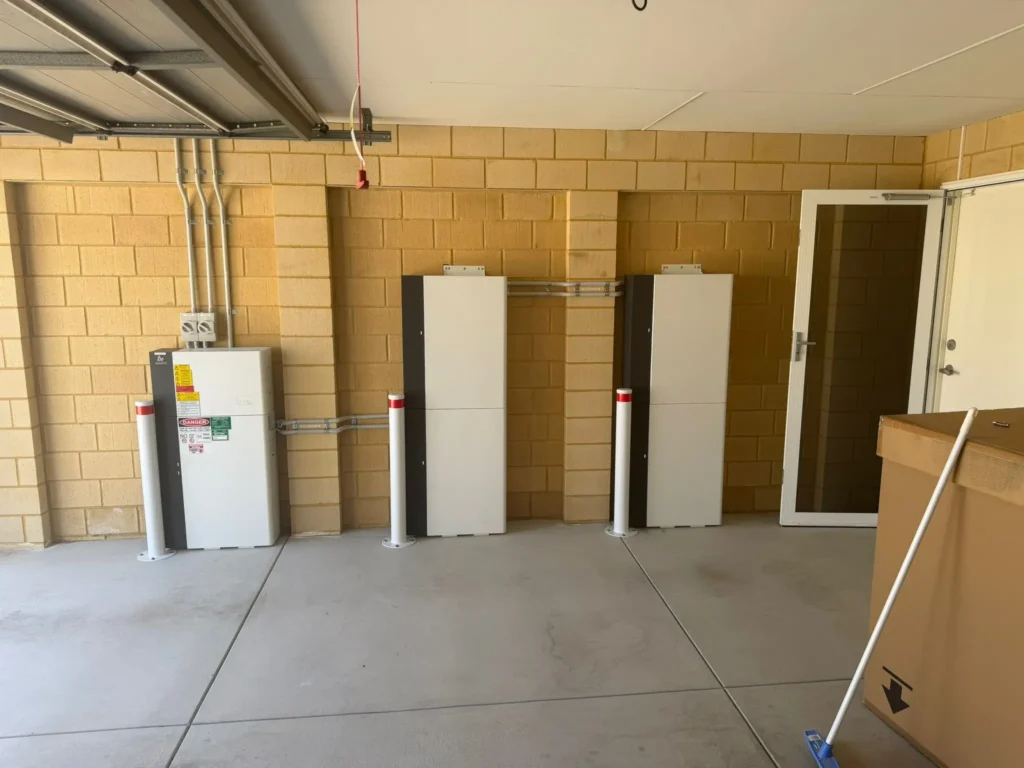
Battery Storage: Using Solar Power When It Matters Most
Battery storage is one of the most significant shifts in residential energy over the past decade.
A battery allows a home to:
- Store excess solar energy instead of exporting it cheaply to the grid
- Use stored power in the evening when electricity costs are highest
- Maintain power during outages, depending on system design
- Reduce reliance on the grid year-round
DMG Solar designs and installs home battery storage systems that are matched to both solar production and household usage, ensuring the battery actually delivers long-term value.
However, batteries are not a magic solution. Their performance depends heavily on how efficient the home already is.
In homes with poor insulation, inefficient heating, or outdated appliances, batteries drain quickly and deliver limited benefit. In efficient homes, batteries perform exactly as intended and significantly reduce energy costs.
The best results come from pairing battery storage with broader efficiency improvements.
Energy Independence and Reduced Grid Reliance
One of the strongest motivations we see from homeowners is the desire for energy independence.
By combining solar and battery systems, households can significantly reduce reliance on the grid and protect themselves from rising electricity prices and supply disruptions.
DMG Solar specialises in solar and battery solutions designed for energy independence, giving households greater control over when and how their power is used.
This shift is not about going completely off-grid. It is about using the grid less, and only when it makes sense.
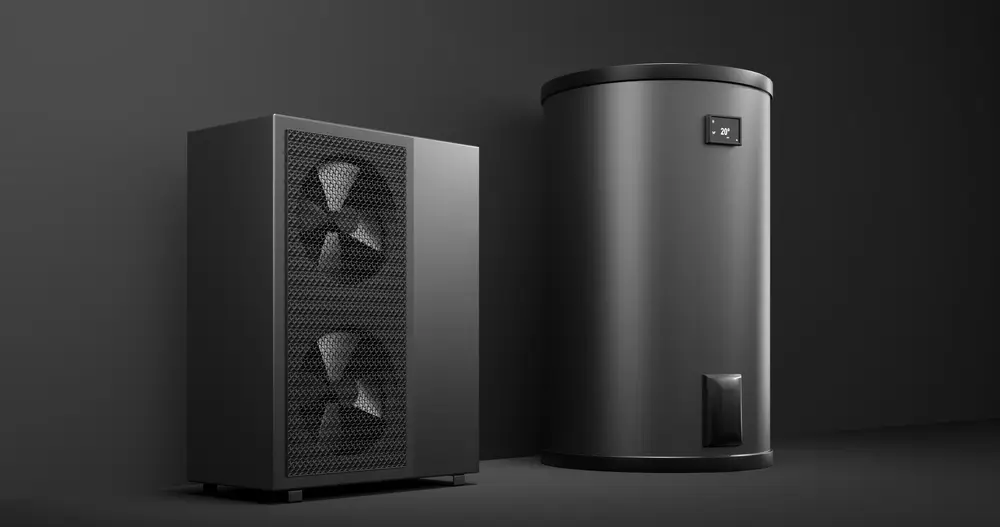
Heat Pumps: The Unsung Hero of Energy Efficiency
Heating and hot water are two of the biggest energy consumers in Australian homes.
Traditional electric hot water systems and resistive heating are extremely inefficient. Heat pump technology changes that completely.
Heat pumps work by moving heat rather than generating it, making them far more efficient than conventional systems. When powered by solar, they can operate at a fraction of the cost of older technologies.
Common heat pump applications include:
- Hot water systems
- Space heating and cooling
- Pool heating
These upgrades often fall under broader energy-efficient electrical solutions, where the focus is reducing energy consumption rather than increasing supply.
In an efficient electric home, heat pumps are often timed to run during peak solar production, further reducing grid reliance.
Energy-Efficient Appliances and Smart Controls
An efficient electric home is not just about big infrastructure. Everyday appliances play a major role.
Modern energy-efficient appliances consume significantly less power while delivering the same or better performance. When combined with smart controls, they can be scheduled to operate when solar production is highest.
Examples include:
- Smart air conditioning systems
- Induction cooktops
- Energy-efficient washing machines and dryers
- Home energy monitoring and automation
Smart systems that optimise solar and battery performance allow energy to be used when it is cheapest and most abundant, without changing daily routines.
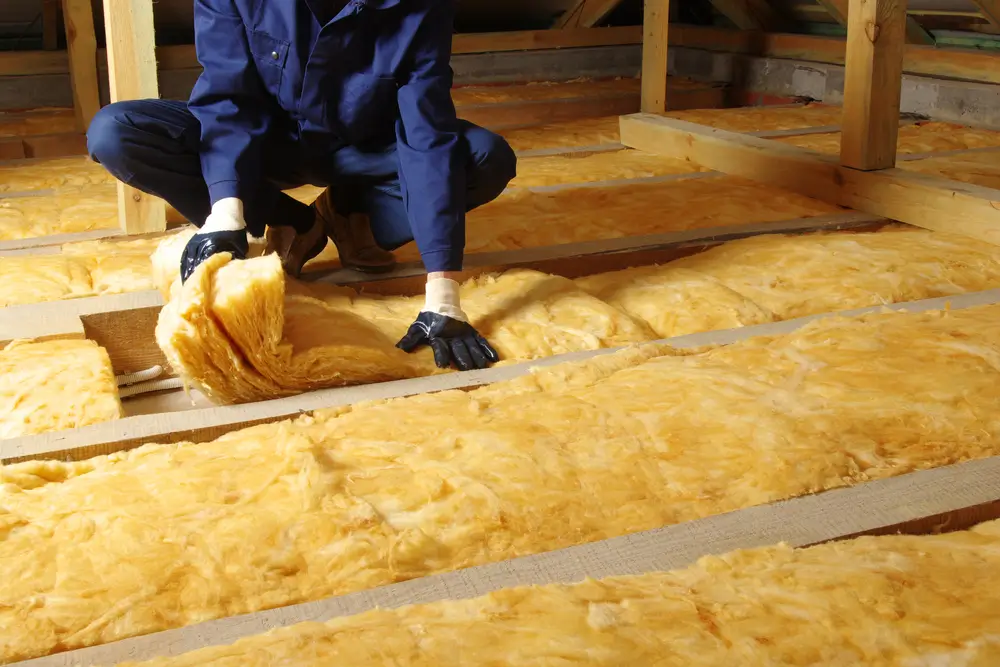
Home Insulation and Building Efficiency Still Matter
One of the most overlooked aspects of electric home efficiency is the building itself.
Poor insulation, draughts, and inefficient glazing force heating and cooling systems to work harder than necessary. Even the best solar and battery system cannot compensate for energy constantly leaking out of a home.
Improving insulation and sealing is often one of the most cost-effective efficiency upgrades available and dramatically improves the performance of all electrical systems.
Energy Management: Making Everything Work Together
True efficiency is achieved when all systems operate as one.
Energy management involves:
- Monitoring household energy use
- Prioritising solar self-consumption
- Managing battery charge and discharge
- Reducing peak grid demand
Home energy management systems ensure solar, batteries, and household loads work together seamlessly.
This is where system design and experience make the biggest difference.
Why Experience Matters in Efficient Home Design
I have been working with solar and electrical systems for over 23 years. In that time, I have seen technology improve rapidly, but I have also seen poor installations cause frustration, underperformance, and unnecessary expense.
An efficient electric home is not built from a price list. It is built from:
- Careful assessment
- Correct system sizing
- Quality workmanship
- Ongoing support
This is why homeowners choose experienced solar installers in Perth who understand how systems perform over time, not just on installation day.
The Future of Energy Starts at Home
Australia’s energy future is increasingly decentralised. Homes are no longer passive consumers of electricity. They are becoming producers, storage hubs, and active participants in the energy network.
Efficient electric homes reduce pressure on the grid, lower household costs, and provide greater energy security. Most importantly, they give homeowners control over their energy future.
If you are exploring efficient electric home solutions, the key is starting with the right advice and building a system that works together from day one.
That is where the real value lies.
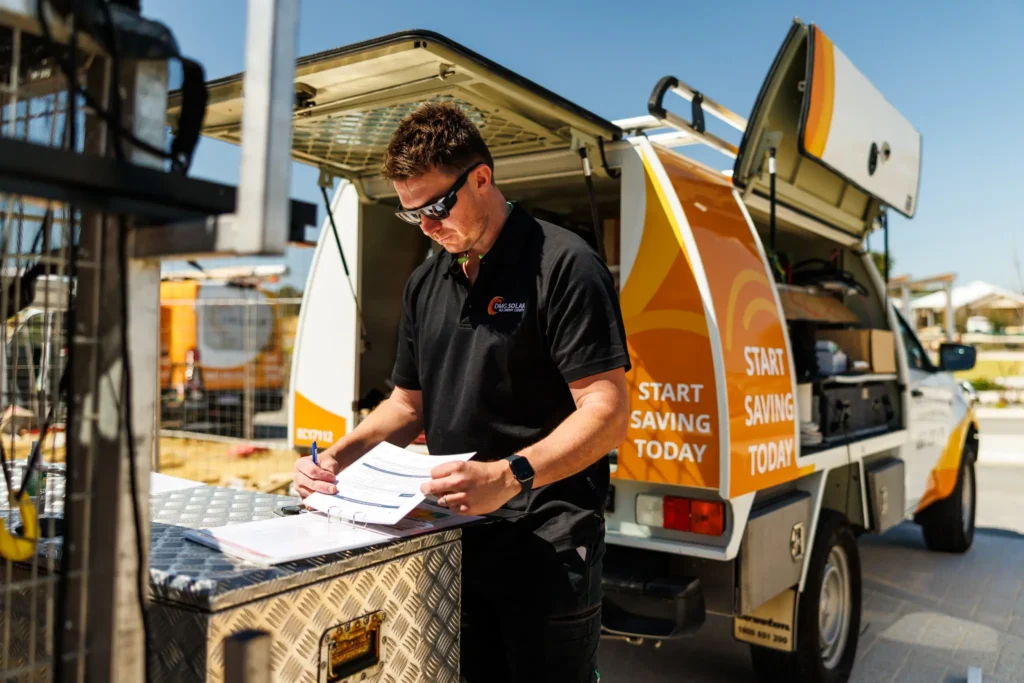
Author
Darren Magennis
Head of Operations
DMG Solar & Electrical
Licensed electrician with over 23 years’ experience in solar power, electrical installations, and residential energy management across Western Australia.

Ready to Get Started?
Drop us a line or fill out our quote form and we will be in touch for an obligation free Quote
DMG Solar & Battery Services
DMG Solar provides a superior service which overall adds value to your property.


Join Thousands of WA HomeownersBook Your Free Consultation
See why more families are choosing DMG Solar for trusted installations.
Trusted by TheLeading Brands